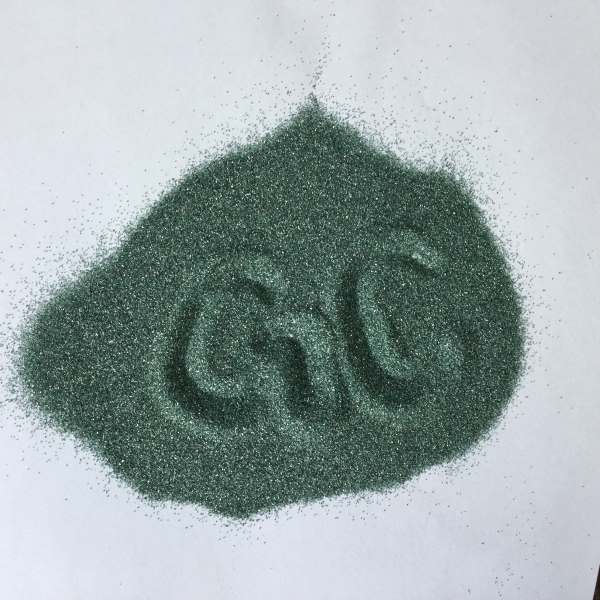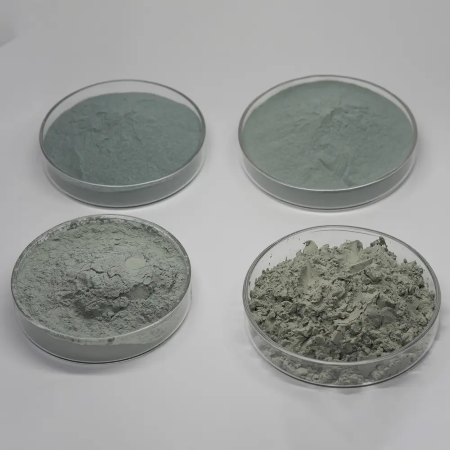
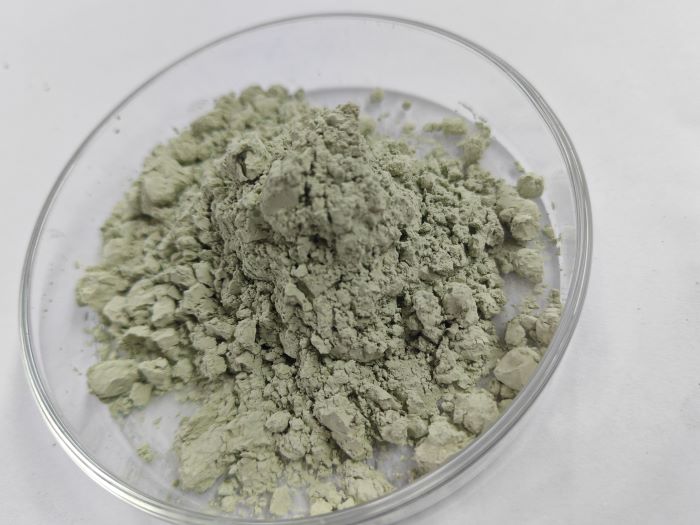
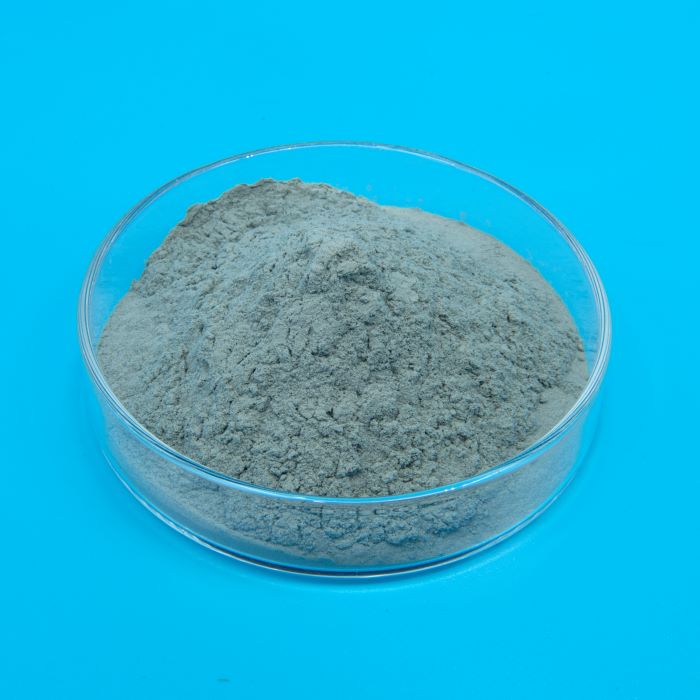
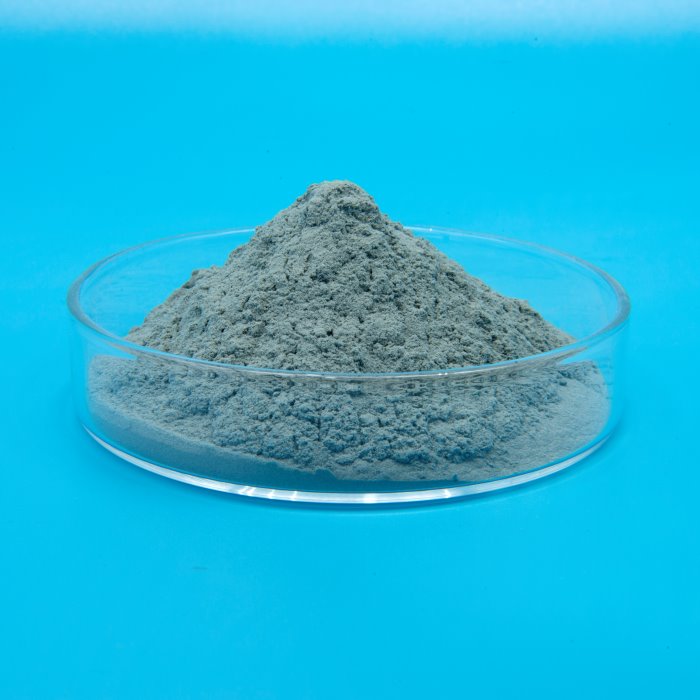
JIS400 green SIC for ceramic membrane GPF particulate filters
Introduction
In the pursuit of superior automotive emission control, the precision-engineered ceramic membrane within a Gasoline Particulate Filter (GPF) is paramount. Our JIS400 Green Silicon Carbide (SiC) powder is a high-performance material meticulously graded to the Japanese Industrial Standard (JIS), designed specifically to manufacture and finish the advanced ceramic substrates that form the core of next-generation GPFs. This material is the foundation for achieving the exact porosity, structural strength, and thermal resilience required to meet the world’s most stringent emission regulations.
Product Specifications and Quality
This product is green silicon carbide powder, consistently classified under the JIS400 grit size standard. This corresponds to a precise and narrow particle distribution with a nominal median diameter of approximately 23-28 microns, as defined by the rigorous JIS B 4130 standard for graded abrasives. The “Green” SiC variant is produced to exhibit higher purity and sharper, more friable crystalline edges compared to its black counterpart. Our manufacturing process ensures minimal metallic impurities and exceptional batch-to-batch consistency, providing filter manufacturers with a reliable and predictable raw material critical for mass production.
Key Features and Technical Advantages
-
JIS-Grade Precision: The strict JIS classification guarantees uniform particle size distribution. This consistency is vital for creating a homogeneous and repeatable pore structure within the ceramic membrane, directly impacting filtration efficiency and pressure drop characteristics.
-
Optimal Pore-Forming Agent: As a sacrificial pore-forming additive in ceramic slurry (often used with cordierite or SiC bulk materials), the JIS400 grit burns out cleanly during the high-temperature sintering process. It leaves behind a meticulously interconnected, three-dimensional network of pores, enabling high particulate matter (PM) capture efficiency while maintaining optimal exhaust gas flow.
-
Enhanced Structural Integrity: The inherent properties of silicon carbide—exceptional hardness (9.5 Mohs), high thermal conductivity, and superior strength—are imparted to the ceramic matrix. This results in a finished GPF membrane with outstanding mechanical robustness and remarkable resistance to thermal shock during frequent regeneration cycles.
-
Superior Surface Finishing: When used as an abrasive for lapping and polishing the filter’s honeycomb channels, the sharp, hard grains of JIS400 Green SiC produce a smooth, controlled surface finish. This minimizes initial backpressure and promotes even soot distribution for more efficient and complete regeneration.
Primary Application
This material is specifically formulated for the automotive emissions industry, serving two critical roles in GPF production:
-
Ceramic Membrane Fabrication: As a key constituent in the forming process to engineer the precise microstructure of the porous wall-flow membrane.
-
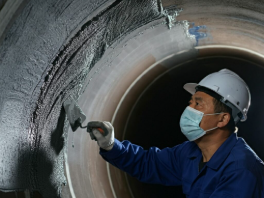
Precision Machining & Finishing: As an abrasive for cutting, grinding, and polishing the sintered ceramic blocks to achieve exact dimensional tolerances and surface quality for canning and assembly.
Conclusion
For engineers and manufacturers dedicated to pushing the boundaries of emission control technology, our JIS400 Green Silicon Carbide powder offers more than just an abrasive; it provides a standardized, high-purity material solution for precision ceramic engineering. By enabling the production of stronger, more efficient, and more durable ceramic membranes, it is an essential component in developing GPFs that reliably meet the performance demands of Euro 6d, China 6b, and beyond, contributing to cleaner air and sustainable mobility.